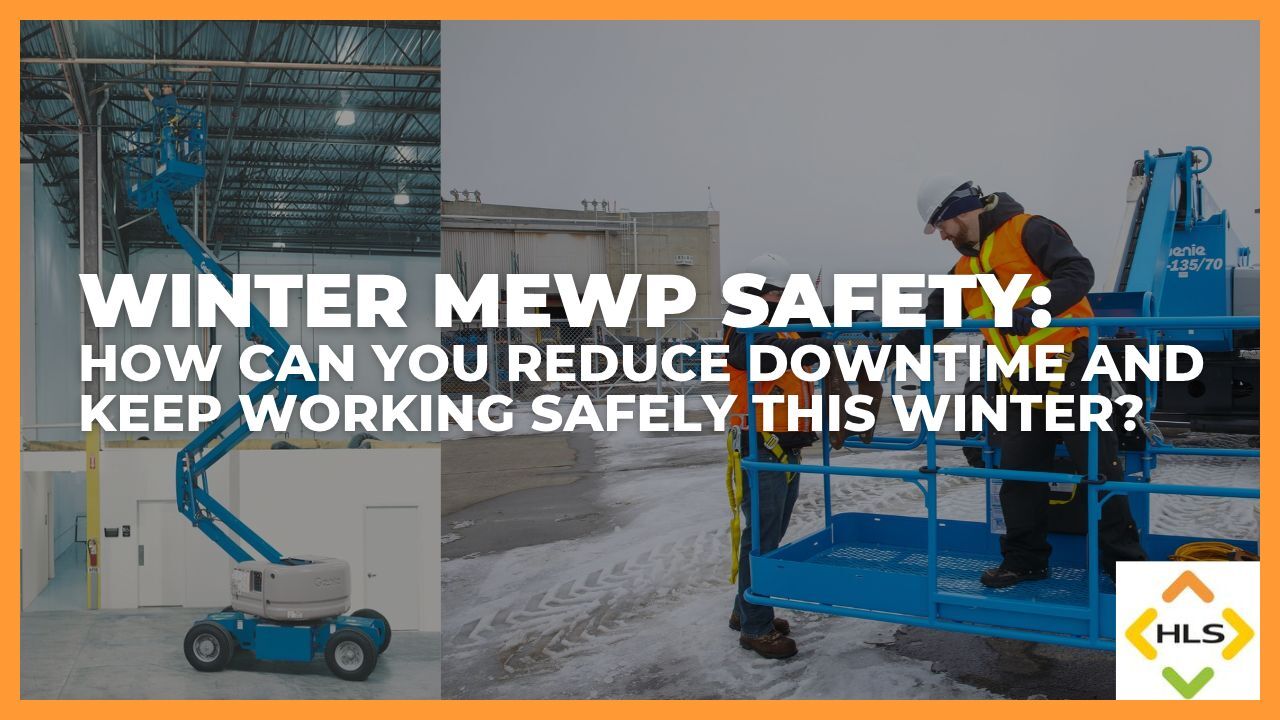



As temperatures fall, keeping your access equipment working reliably can become more challenging. Heavy rain, muddy ground, frost and fewer daylight hours can all disrupt your plans, while the Christmas shutdown brings extra preparation.
Whether you are working outdoors, carrying out warehouse maintenance or preparing for the festive break, a little planning can help reduce downtime. The HLS resource page is a useful starting point for exploring working at height guidance and planning your next steps.
Pre-use checks are another important part of your winter preparations. Keep the HLS pre-use inspection checklist to hand as you prepare your equipment for the day ahead.
So, what else should you consider helping keep your equipment and your team ready for winter?
How Does Cold Weather Affect MEWP Batteries?
Have you ever arrived on site ready to start work only to find your machine has not charged properly?
Freezing weather can affect battery performance, particularly on electric-powered equipment. In some cases, batteries may take longer to charge or provide shorter run times than usual.
A few simple checks can help avoid unnecessary downtime:
- Follow manufacturer charging recommendations
- Inspect chargers, cables, and connectors regularly
- Store equipment appropriately where possible
- Investigate recurring charging problems early
- Review battery maintenance before shutdown periods
If your machine repeatedly struggles to charge or hold its charge, do not wait until it disrupts your working day. Arranging MEWP repair and maintenance can help you address recurring problems before they lead to further downtime.
than discovering it halfway through a job.
Is It Safe to Use a MEWP in Snow, Ice or High Winds?
The short answer is it depends on the conditions.
Winter weather can change quickly. A task that looked straightforward first thing in the morning may become much riskier a few hours later if wind speeds increase or ground conditions deteriorate.
Before operating a MEWP outdoors, ask yourself:
- Have weather conditions been assessed?
- Is the ground suitable for the machine?
- Are wind speeds within the manufacturer's limits?
- Will visibility remain adequate throughout the task?
It is also important not to overlook what is happening beneath the machine. Frozen ground, standing water and uneven surfaces can all affect stability.
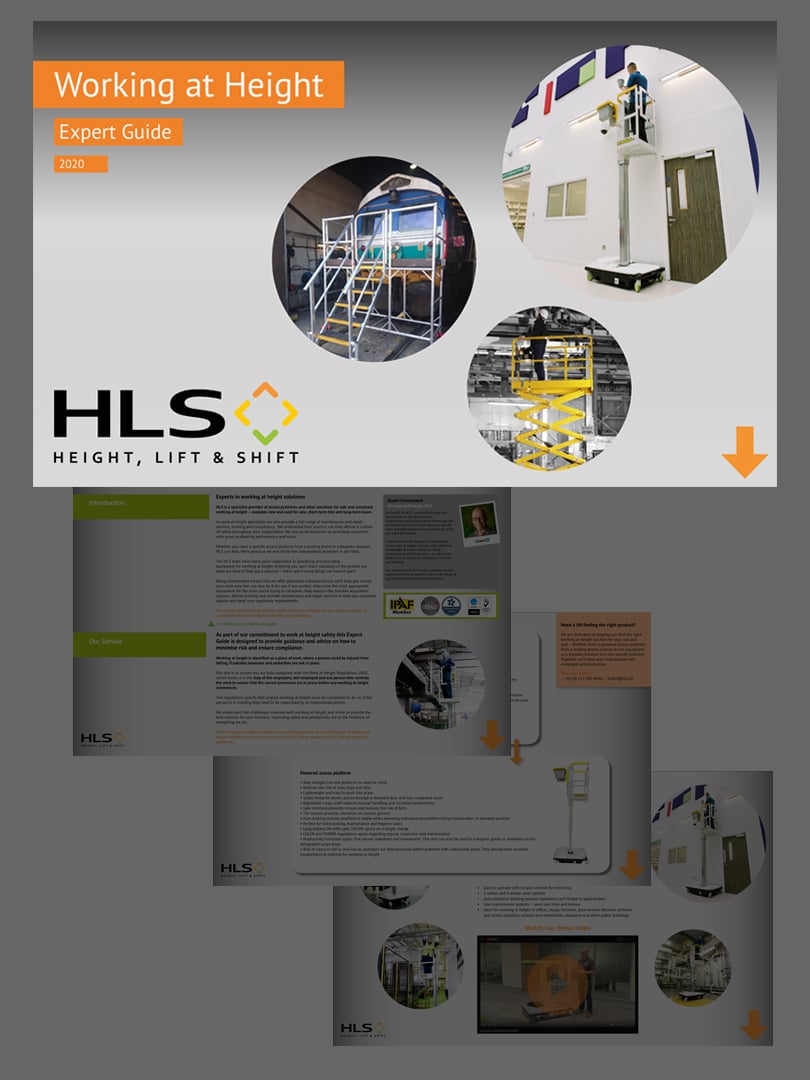
If conditions no longer allow the work to be carried out safely, stop and reassess. Delaying a job is always preferable to taking unnecessary risks. For more working at height guidance, explore the HLS Working at Height Expert Guide.
What Is the Best Access Equipment for Indoor Winter Maintenance?
When people think about winter working at height, they usually focus on outdoor activities. But what about all the work taking place indoors?
For many businesses, winter brings an increase in activities such as:
- Replacing lighting
- Cleaning high-level areas
- Carrying out inspections
- Stock picking and stock management
- Routine maintenance work
If these jobs are carried out regularly, it may be worth reviewing whether ladders remain the most suitable access solution.
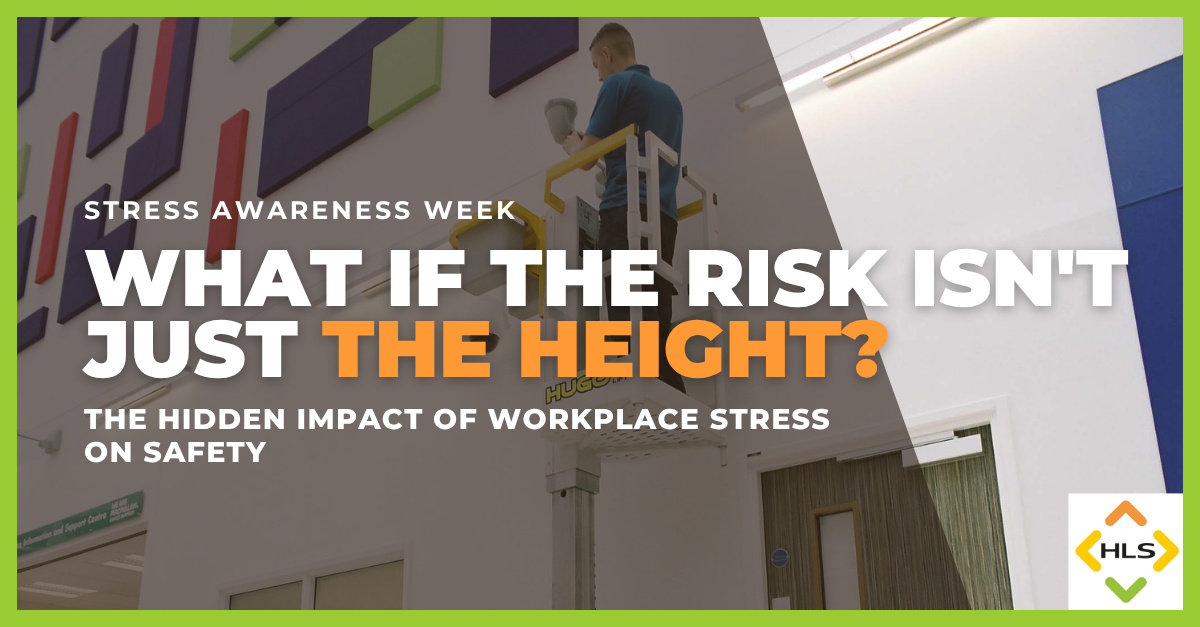
The HLS Hugo Lift was designed specifically for low-level indoor access tasks. With a compact footprint and space for tools and materials, it can support a range of maintenance, facilities management, and stock-picking activities.
The right equipment will always depend on the task and environment, but winter is often a suitable time to review how access work is being completed across your site.
How Should You Prepare a MEWP for the Christmas Shutdown?
If your site closes or reduces activity over Christmas, have you thought about what happens to your equipment while it is not being used?
Leaving a MEWP unused for several weeks without preparation can sometimes lead to issues when work resumes in January.
Before shutdown, consider:
- Where the machine will be stored
- Battery charging and maintenance requirements
- Any defects that need attention
- Security arrangements
- Checks required before returning equipment to service
Spending a little time preparing equipment before the festive break could save a lot of frustration when everyone returns to work.
How Can Planned Maintenance Help Reduce Winter Downtime?
No one wants an unexpected breakdown during a busy period.
Winter can place extra pressure on equipment and maintenance teams. Keeping on top of servicing and arranging repairs for reported faults can help you prepare for the season ahead.
Before the season gets into full swing, ask yourself:
- Is servicing up to date?
- Have any reported defects been addressed?
- Are LOLER examinations current?
- Do operators know how to report issues?
- Is there a backup plan if a machine becomes unavailable?
Routine servicing and LOLER thorough examinations are not the same thing. To understand the distinction, start with our blog on what is LOLER, then explore the LOLER FAQs Guide for answers to further questions. Keep both servicing and thorough examinations in your winter plans to help keep equipment safe, compliant and available when needed.
Do Winter Conditions Mean You Should Review Your Risk Assessments?
A risk assessment completed during summer might not fully reflect the challenges your team faces in winter.
Shorter days, poor weather, icy surfaces, and changing site conditions can all introduce new hazards that need to be considered.
This is a good opportunity to review:
- Equipment suitability
- Ground conditions
- Weather-related risks
- Lighting and visibility
- Operator training
- Emergency rescue arrangements
Safe working at height is not about choosing the right machine. Planning, supervision, training, and preparation all have a key role to play.
Frequently Asked Questions About Winter MEWP Safety
Can MEWPs be used in freezing temperatures?
Many MEWPs can operate safely in wintry weather, provided they are used within the manufacturer's operating limits and appropriate pre-use checks are completed.
What are the most common winter MEWP problems?
Battery performance issues, hydraulic faults, poor storage arrangements, and weather-related operating restrictions are among the most familiar challenges.
Should a MEWP be stored indoors during winter?
Where practical, storing equipment in a protected environment can help reduce exposure to adverse weather and support battery health.
How often does a MEWP need a thorough examination?
MEWPs used for lifting people require a LOLER thorough examination every six months unless an alternative examination scheme applies.
What causes the most winter equipment downtime?
Battery failures, delayed maintenance, weather conditions, and defects that go unnoticed during inspections are some of the most common causes.
Could Hugo Give Your Workplace a Helping Hand This Winter? 🎁
If winter means more maintenance jobs, inspections, or stock-picking activities for your team, now could be the perfect time to see whether the HLS Hugo Lift could make those tasks easier.
That is why we are once again running our Ho Ho Hugo Christmas Giveaway, giving one lucky winner the chance to receive one month's free Hugo hire.
Last year's winner, Hazlitt Theatre, used their free hire period to explore an alternative approach to maintenance access within their venue.
Could your workplace be next?
Keep Your Working at Height Activities Moving This Winter
Winter will always bring additional challenges, but that does not mean downtime has to be inevitable.
By carrying out regular inspections, staying on top of maintenance and planning for changing conditions, you can help keep your equipment operating safely and efficiently throughout the season.
Whether you need support with access equipment hire, servicing, inspections, training or working at height advice, the HLS team is here to help.