




March 2026 saw multiple serious HSE prosecutions highlighting ongoing failures in working at height safety, risk assessment, and supervision.
From a fatal electrocution involving a cherry picker striking an overhead powerline, to preventable falls caused by unsafe access methods, these cases reinforce a consistent message:
👉 Many incidents are avoidable with proper planning, risk assessment, and the right equipment.
In this blog, we break down the latest HSE enforcement cases, key failings identified, and what your organisation should be doing to stay compliant with the Work at Height Regulations 2005.
1. Fatal electrocution at Devon biogas site
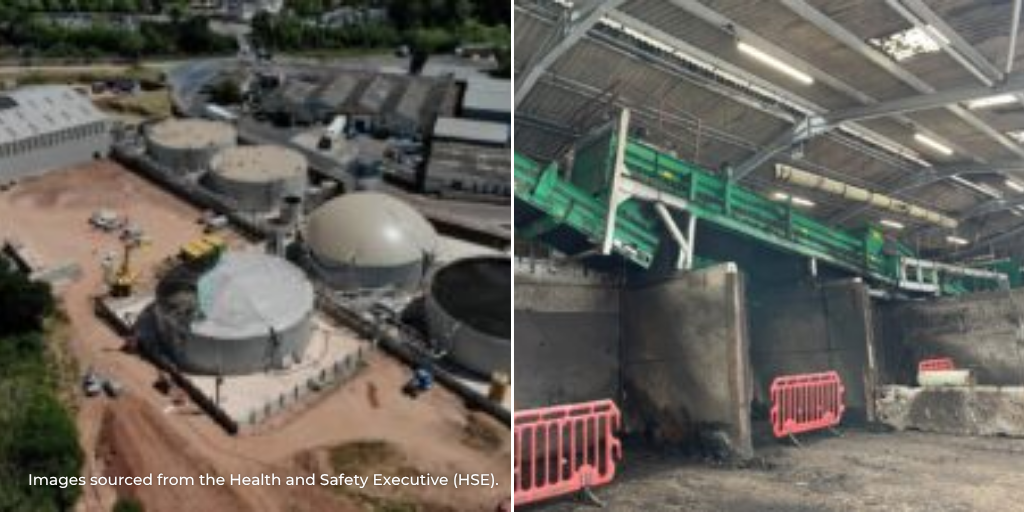
A tragic incident at a Devon biogas site resulted in the death of Carl Parsons, 34, and life-changing injuries to a colleague after a cherry picker struck an 11,000-volt overhead powerline.
What happened:
- A cherry picker made contact with an overhead powerline
- Electrical current passed through the platform basket
- One worker was killed, another seriously injured
Key failings identified by HSE:
- Failure to act on prior safety advice
- No relocation of overhead powerlines despite recommendations
- Lack of control measures (e.g. restricted zones, height limits)
- Poor supervision and site induction
- Inadequate risk assessment and training
Outcome:
Two companies were fined following sentencing at Exeter Crown Court on 3 March 2026.
Key safety lesson:
👉 Working near overhead power lines requires strict planning, exclusion zones, and specialist guidance.
This case highlights the importance of following both HSE and IPAF guidance on MEWP use near power lines.
2. Bakery fined after worker falls from pallet box
A worker at a Bolton bakery suffered a hip fracture after falling from height while standing on a pallet box to dispose of waste into a skip.
What happened:
- Worker stood on an unstable pallet box
- Fell while loading waste into a skip
- Sustained serious injury
HSE findings:
- No suitable risk assessment for the task
- Unsafe working practices had become routine
- No appropriate access equipment provided
- Lack of supervision and monitoring
Outcome:
- £16,667 fine
- Additional costs and victim surcharge
- Case heard at Tameside Magistrates’ Court (13 March 2026)
Key safety lesson:
👉 Improvised access solutions (like standing on pallets) are a major cause of workplace injuries.
Employers must ensure:
- Suitable access equipment is provided
- Risk assessments cover routine tasks
- Unsafe behaviours are challenged early
3. Waste company fined after fall from compost machine
A recycling company in West Sussex was fined after an employee suffered a broken leg when falling from height while clearing a blockage.
What happened:
- Worker climbed onto a compost screening machine
- Slipped due to lack of guardrails
- Fell and sustained serious injuries
HSE findings:
- No adequate risk assessment for cleaning tasks
- Unsafe access to machinery at height
- Employees could bypass safety controls
- Lack of safe system of work
Key safety lesson:
👉 Maintenance and cleaning tasks are high-risk and often overlooked in risk assessments.
Employers must:
- Prevent access to dangerous areas
- Ensure machinery is safe to work on
- Provide clear procedures and training
Common themes across March HSE prosecutions
Across all three cases, several recurring issues were identified:
-
Failure to carry out suitable and sufficient risk assessments
-
Poor supervision and monitoring
-
Lack of proper training and competence
-
Unsafe or inappropriate equipment being used
- Risks being known but not acted upon
👉 These are not complex failures; they are basic safety principles not being followed.
What the law requires: Working at Height Regulations 2005
Under UK law, employers must:
- Avoid working at height where possible
- Prevent falls using suitable equipment
- Minimise consequences where risk remains
- Ensure work is planned, supervised, and carried out by competent people
Failure to meet these duties can result in:
- Serious injury or fatalities
- Significant fines and prosecution
- Long-term reputational damage
How to reduce risk on your site
To prevent similar incidents, organisations should focus on:
1. Risk assessments that reflect real tasks
Not just paperwork, but practical, task-specific planning.
2. Selecting the right equipment
Avoid improvisation. Use equipment designed for the task.
3. Training and competence
Ensure teams understand both risks and safe working methods.
4. Supervision and behaviour
Unsafe practices often develop over time, they must be actively managed.
5. Considering safer alternatives
Adopting a “Ladders Last” approach can help reduce reliance on higher-risk methods.
How HLS can support safer working at height
At HLS, we work closely with organisations to reduce risk and improve compliance across their sites.
Our support includes:
✔ Site surveys and risk assessments
Identify hazards and recommend compliant access solutions
✔ Equipment selection and supply
From low-level access platforms to MEWPs and alternatives to ladders
✔ Training and certification (IPAF approved)
Ensure your teams are competent and compliant
✔ Maintenance, inspections and LOLER compliance
Keep equipment safe, legal, and operational
✔ Ongoing support and advice
Helping you embed safer working practices long-term
📄 Download the HLS Working at Height Expert Guide to access practical advice, best practices, and compliance guidance.
Or get in touch to discuss how we can support your site with safer, more efficient working at height solutions.