

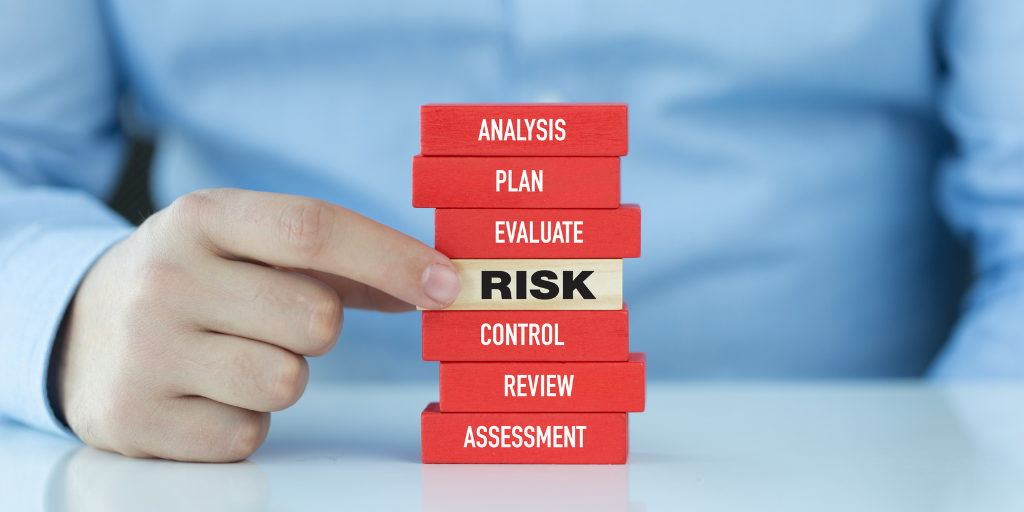




As part of our Risk Assessment Campaign, we have been exploring how organisations can improve the way they identify, assess, and manage risk when planning work activities.
In the first blog in this series, we explored the difference between generic and site-specific risk assessments, challenging the overreliance on templates and highlighting the importance of context when assessing risk.
The second blog focused on the practical steps involved in carrying out an effective risk assessment, from identifying hazards and evaluating risks to implementing meaningful control measures.
In the previous blog, we looked at common mistakes organisations make when completing risk assessments and how avoiding these can strengthen both compliance and safety outcomes.
In this blog, we explore another area that often causes confusion: the difference between a risk assessment and a method statement, and why both are important when planning safe systems of work.
What Is a Risk Assessment?
A risk assessment focuses on identifying hazards and determining what measures are needed to reduce the risk of harm.
It answers the question:
“What could go wrong, and what controls are needed to prevent it?”
For example, when planning work at height, a risk assessment might consider:
- Fall hazards
- The suitability of access equipment
- Environmental conditions such as weather or floor loading
- The competence of those carrying out the task
To help organisations document this clearly and consistently, HLS provides a free Work at Height Risk Assessment Template that can be adapted to different tasks and environments.
While risk assessments focus on identifying hazards and control measures, they are often only the first step in planning safe work activities. This is where method statements play an important role.
What Is a Method Statement?
A method statement brings together the information identified during the risk assessment process and explains how a task will be carried out safely.
It summarises the hazards associated with the work and the control measures required to manage those risks, based on the conclusions of the risk assessment. In addition, a method statement takes into account the organisation’s health and safety arrangements, including supervision, training, and procedures for responding to serious or imminent danger.
In practice, a method statement describes in a clear and logical sequence how the job will be completed safely. This typically includes:
- The sequence of tasks involved in completing the work
- The hazards associated with each stage of the job
- The control measures required to reduce risk
- The equipment and resources needed to carry out the task safely
By setting out these steps clearly, a method statement helps ensure that work is properly planned and supported by the appropriate health and safety resources. It can also provide useful information to other contractors or teams working on site, particularly where activities may affect one another.
How Risk Assessments and Method Statements Work Together
In many industries, risk assessments and method statements are used together as RAMS (Risk Assessment and Method Statement). When combined, these documents help ensure that work activities are properly assessed, planned, and carried out safely.
Each document plays a different role within the process:
- The Risk Assessment identifies hazards and determines the control measures required to reduce risk.
- The Method Statement explains how those control measures will be applied in practice and how the task will be carried out safely.
Together, RAMS provide a clear framework for communicating safe systems of work to everyone involved in the activity.
This approach is particularly important for:
- Contractor activities
- Permit-to-work systems
- Projects involving multiple organisations
- Higher-risk operations, such as working at height, lifting operations, or work near plant and pedestrians
When developed and communicated effectively, RAMS help ensure that planning, communication, and on-site execution are aligned, reducing the likelihood of incidents and supporting safer working practices.
Common Pitfalls
Despite their importance, many organisations still encounter issues when preparing RAMS documentation.
Some of the most common pitfalls include:
- Using generic documentation that does not reflect the specific task or environment
- Producing a method statement without a supporting risk assessment
- Failing to update documents when site conditions or scope of work change
- Lack of communication with those actually carrying out the work
These issues can result in poorly controlled risks, compliance failures, and increased incident potential.
Strong risk management relies not only on producing documentation, but also ensuring it is relevant, understood, and regularly reviewed.
Key Takeaway
Risk assessments and method statements serve different but complementary roles in managing workplace safety.
A risk assessment identifies hazards and determines the control measures required, while a method statement explains how those controls will be applied in practice.
When used together as RAMS, they help ensure work activities are properly planned, communicated, and carried out safely.
How HLS Can Help
At HLS, we have extensive knowledge of the requirements under The Work at Height Regulations, LOLER, and PUWER, and can help you understand how these apply within the context of your own site and operations.
We offer a range of on-site surveys and risk assessment services, where our specialists assess your working environment, review your training and maintenance arrangements, and identify any potential safety gaps.
Using this information, we provide practical recommendations and develop a clear action plan to help improve safety, compliance, and efficiency when working at height.
To explore more guidance, visit the HLS Resources & blogs, or contact our team to discuss how we can support your organisation.

-1.png)